Why Hair Stylists Make Great Life Coaches and Thrive Solo or Together

The chair at a salon can feel safer than a couch, a boardroom, or even a dinner table. People sit down for a haircut, color, or blowout, then start talking about work, family, heartbreak, confidence, burnout, big decisions, and everything in between.
That is why hair stylists often become unofficial life coaches long before they ever use that title. They learn how to listen without rushing, ask better questions, read energy, and help someone leave feeling lighter than when they walked in.
A great stylist does not just shape hair. They help people see themselves again.

Hair stylists already practice the heart of life coaching
Life coaching is built on presence, trust, perspective, and forward motion. Hair stylists use those skills all day.
Clients do not only bring reference photos. They bring stories.
They talk about starting over after a breakup. They share nerves before a job interview. They mention feeling invisible, aging, grieving, dating again, setting boundaries, changing careers, or trying to feel like themselves after years of putting everyone else first.
Stylists hear all of it.
The best ones know when to talk, when to pause, and when to simply say, “Tell me more.” That kind of listening is rare. It is not passive. It is active, attentive, and deeply human.
A stylist also works with transformation in a physical way. They see how a person’s posture changes when the right cut frames their face. They notice the moment someone looks in the mirror and softens. They understand that self-image affects confidence, choices, and the way someone moves through the world.
That makes the salon chair a natural place for growth.
The salon creates a rare kind of honesty
People often open up when they are not being stared at directly across a table. In a salon, conversation happens through the mirror, between sections of hair, during quiet moments at the shampoo bowl, or while color processes.
That setup makes honesty easier.
There is also rhythm. The appointment has a beginning, middle, and end. Hands are busy. The client has space to think. The stylist has time to listen.
This creates a unique kind of relationship.
A client may see the same stylist for years. The stylist watches life unfold in chapters: new jobs, weddings, divorces, illness, recovery, parenthood, moves, reinvention. Over time, the stylist becomes a steady witness.
That steady presence is powerful.
Some people need advice. Many people need someone calm enough to hear the truth without flinching.
Stylists who understand this role can bring even more care to their work. They can support clients without trying to fix everything. They can reflect strengths clients may not see yet. They can ask simple questions that help people move from confusion to clarity.
Stylists and life coaches can work beautifully together
Hair stylists and certified life coaches do not have to compete. They can support each other in meaningful ways.
A stylist may notice that a client keeps circling the same issue: fear of change, lack of confidence, people-pleasing, career uncertainty, or trouble setting boundaries. With care, the stylist can suggest that deeper support might help.
That referral can feel natural when it comes from someone trusted.
A life coach, in turn, can encourage clients to care for their outer presentation as part of a larger confidence practice. A fresh cut or color does not solve life’s hard parts, but it can mark a new season. It can help someone embody the change they are trying to make.
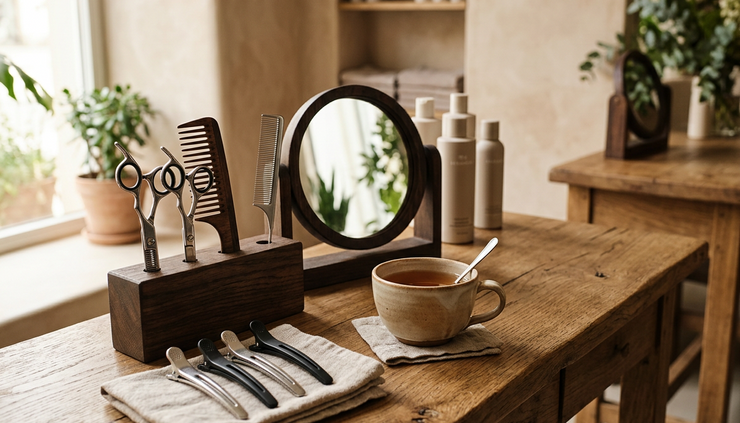
Working hand in hand might look like:
A stylist referring a client to a coach for goal setting, confidence work, or personal growth
A life coach suggesting a salon visit before a major life event or transition
A small retreat that includes personal reflection and a hair refresh
A confidence package where styling and mindset support are offered as separate but connected services
The key is respect. Each person stays in their lane. The stylist does not pretend to be a therapist. The coach does not pretend a haircut replaces inner work. Together, they help the client feel seen from the inside out.
The best stylists help people recognize themselves
Hair is personal. It sits close to identity, memory, culture, beauty, confidence, and change. That is why a salon visit can feel emotional in ways people do not expect.
A client may come in asking for layers and leave realizing they are ready to stop hiding. Another may choose a bold color after years of playing small. Someone else may cut off length that belonged to an old version of their life.
These are not shallow moments. They are visible signs of internal movement.

This is where hair stylists shine as life coaches, whether formally trained or naturally gifted. They understand that change can be scary and exciting at the same time. They know how to guide someone through uncertainty with patience. They also know that confidence often begins with one brave choice.
Stylists can thrive individually by deepening their own client experience. They can thrive together with coaches, counselors, wellness practitioners, photographers, or personal stylists when everyone brings a clear role to the table.
The common thread is care.
A haircut may seem simple from the outside. Inside the chair, it can become a turning point. The stylist holds the scissors, but often, they are also holding space for a person to become more fully themselves.


Comments